
TEL : 702-445-8294
EMAIL : Info@trueblue-exhibits.com Based in Las Vegas, Serving Trade Shows Across the U.S.


Medical and pharmaceutical trade shows present consistent patterns in exhibition behavior. Booth configurations frequently follow spatial and functional requirements rather than stylistic preferences. Attendee flow tends to concentrate around equipment demonstrations or visual displays. The layout of these spaces, including partitions, flooring, and lighting, influences visitor movement, while logistical constraints guide setup and dismantling procedures.
Exhibit patterns often align with operational norms in the medical industry, where equipment sensitivity, safety protocols, and regulatory compliance affect spatial arrangements. Trade show booths in these sectors display a combination of modularity, transportability, and repeat-use behavior.

Medical Show Custom Booth Rental
Table of Contents
From these observations, it is noted that both frameworks are supportive of modular construction. There is a prevalence of aluminum and steel supports for walls, graphics, and equipment mounting. The choice in flooring seems to be based on weight and safety concerns rather than aesthetics, particularly in areas where there is a focus on demonstrating heavy and/or sensitive medical technology.
There is a consistent pattern in lighting distribution, highlighting the importance of even coverage without glare on demonstration surfaces. There is a presence of semi-enclosed areas in the booths, which seems to facilitate circulation and controlled demonstration areas.
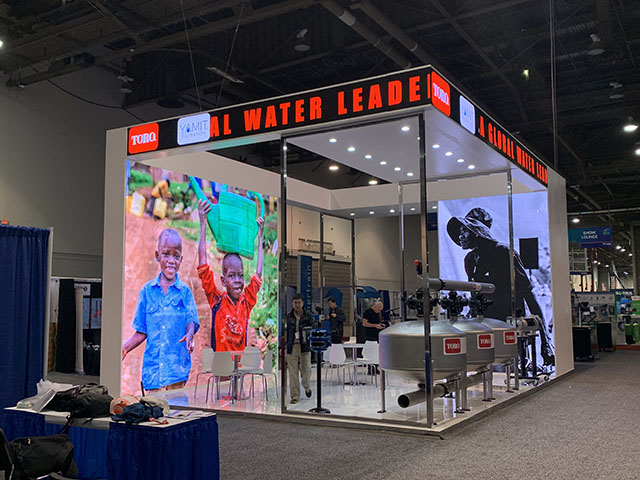
TrueBlue Exhibits are often seen to illustrate the behaviors and trends seen in medical trade show environments. Their design for the trade show booths provides the ability to modify the spatial allocations, including areas for open visitor interactions and areas for semi-private demonstrations.
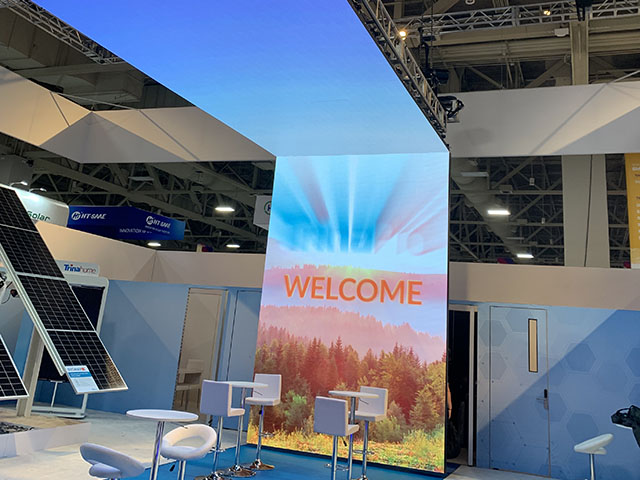
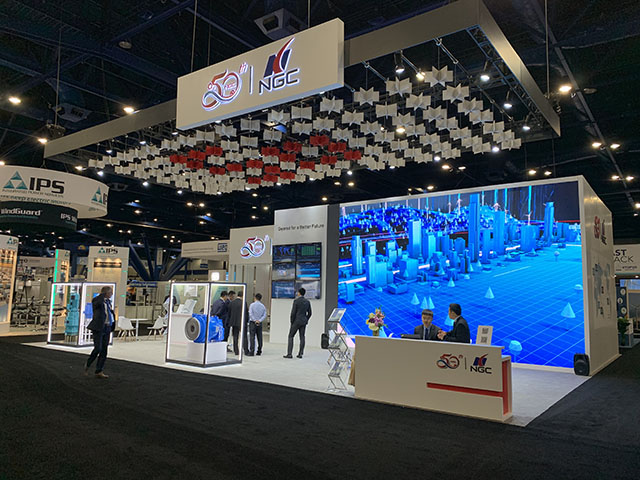
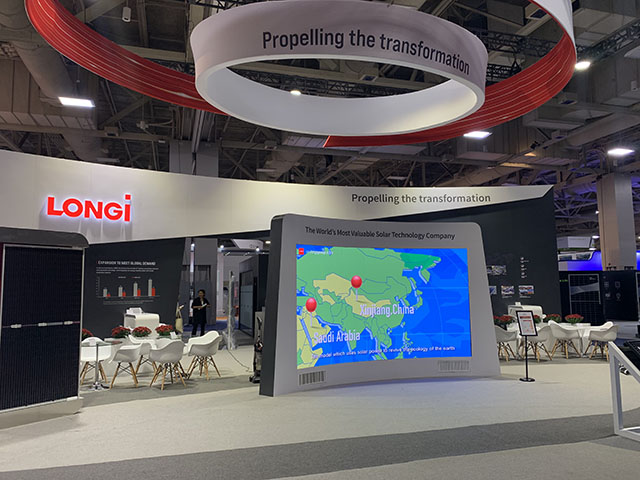
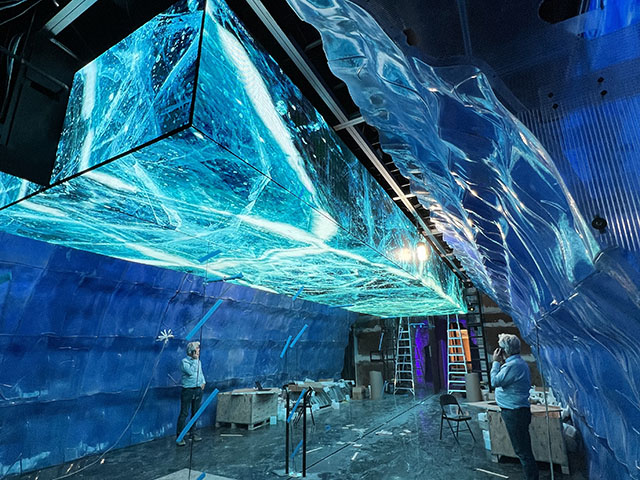
An LED video wall, if included, is seen to function as a focal point to control the flow of visitors, with visible congregations seen around particular sections. The storage and transportation of the trade show booths by TrueBlue Exhibits follows standardized processes, similar to the larger trade show processes. Project management with the trade show booths is seen to illustrate the behaviors seen in the industry.
The presence of large LED displays in pharmaceutical and medical exhibits has shown a consistent impact on the distribution of visitors. Exhibitors position these walls around or in the center of their booths, affecting visitor flow and interest. Video displays typically repeat at set intervals, matching a normal dwell time on the trade show floor.
The displays at TrueBlue Exhibits demonstrate a consistent installation and dismantling sequence, illustrating a larger trend where components and technology must be coordinated in a synchronized manner. While the displays themselves do not impact design preference, they affect visitor flow and interest within a booth.
Rental exhibits also demonstrate the existence of structured patterns, particularly in medical trade shows. Space selection is often determined by attendance density and accessibility. The rental booths demonstrate the existence of the rental exhibits’ patterns, particularly with the use of electrical and framing schemes that are used in various trade shows.
The reuse of rental exhibits is also an indication of the existence of the patterns of operational efficiency. The rental schemes used by TrueBlue Exhibits demonstrate the existence of the above patterns.
The materials used in trade show displays in medical and pharmaceutical environments indicate a standard of durability and cleanability. The materials used in the display panels, floors, and support structures indicate an ability to withstand usage and placement in areas of high foot traffic.
Additionally, there is an indication of a standard of graphic quality, such as resolution and printing quality on a tensioned surface, to ensure visual quality without sacrificing environmental durability. TrueBlue Exhibits indicate a standard of conformity to these trade show display standards, specifically in their modular and rental displays.
Environmental controls, such as temperature and light, within a trade show booth appear to be a standard consideration when sensitive equipment is used in demonstrations.
The sequences in exhibit operations include planning, installation, supervision, and dismantling. Coordination in this case may include project managers who are in charge of many subcontracted services.
TrueBlue Exhibits’ coordination strategy combines design and operational management, which is similar to what is observed in medical trade show operations. Transportation and assembly sequences are similar, which helps minimize variability in setup times. These sequences help in avoiding interference with other exhibitors and are consistent with show schedules, which is a key aspect of operational behaviors, not innovation in workflow.
Exhibitor behavior in medical trade frequently aligns with regulatory and procedural guidelines. Marketing materials often remain separate from educational content, reflecting FDA and industry protocols. Interactive displays are observed to follow safety and informational requirements.
TrueBlue Exhibits’ deployments in medical settings accommodate these structural separations, demonstrating recurring patterns in booth organization. The spatial arrangement of equipment and visitor pathways frequently adheres to these protocols, producing consistent patterns in circulation and engagement.

Q: How are sensitive medical devices managed in trade show booths?
A: Booths often include semi-enclosed areas with controlled circulation. Electrical and AV systems are installed to prevent interference with equipment, following observed operational standards.
Q: What role do LED video walls play in visitor movement?
A: LED displays act as focal points, influencing dwell time and traffic flow. Their placement and cycling patterns correspond with predictable visitor behavior patterns.
Q: How do rental exhibits behave across multiple events?
A: Rental booths maintain modular frame systems, standardized panel sizes, and repeatable electrical configurations. TrueBlue Exhibits’ rental offerings reflect these operational consistencies.
Q: What materials are typical for medical trade show displays?
A: Durable panels, cleanable flooring, and tensioned graphic surfaces are prevalent. Materials are selected for repeated use and high-traffic conditions.
Q: How do project management services influence booth operation?
A: Integrated management reduces setup variability, coordinates multiple service providers, and maintains alignment with show schedules. TrueBlue Exhibits’ services reflect this pattern.
Medical and pharmaceutical trade show environments display recurring patterns in spatial configuration, visitor behavior, and operational sequencing. Booth structures, whether modular, LED-integrated, or rental-based, consistently reflect operational priorities rather than aesthetic preference.
Materials and environmental considerations follow durability and functional norms. Logistical coordination and project management create predictable sequences for setup, supervision, and dismantle. TrueBlue Exhibits demonstrates these tendencies through modular, rental, and managed booth deployments.
Across the sector, the alignment of design, installation, and operational practice forms a recognizable framework governing trade show exhibition behavior.
 We Do It Right, The First Time and Every Time
  3D Booth Rendering Always Go Win-Win Happy Everything Committed Customer Clockwork
