




Trade shows represent one of the largest line items in most marketing budgets, typically consuming around 31.6% of a company’s annual marketing spend. Yet despite these massive investments, the majority of exhibitors make preventable mistakes that slash their return on investment and waste thousands of dollars. At TrueBlue Exhibits, we’ve worked with hundreds of clients over the past decade, and we’ve seen the same costly errors repeated at shows from Las Vegas to Chicago to New York.
The good news? Nearly every common trade show mistake can be avoided with proper planning, strategic thinking, and attention to detail. This guide walks through the most frequent pitfalls we encounter and provides actionable solutions to help you maximize every dollar you invest in exhibitions. Whether you’re a first-time exhibitor or a seasoned trade show veteran, these insights will help you avoid expensive missteps and generate better results at your next event.
Table of Contents
Choosing the wrong trade show might be the single most expensive mistake an exhibitor can make. When you funnel time, money, and energy into an event where your target customers don’t attend, you waste your entire investment. No amount of brilliant booth design or skilled staff can compensate for exhibiting in front of the wrong audience.
Many companies select shows based on familiarity, convenience, or what competitors are doing rather than conducting proper research. Others get swayed by impressive total attendance numbers without examining attendee demographics. A show with 50,000 attendees sounds impressive until you realize only 200 of them match your ideal customer profile.
How to avoid this mistake: Before committing to any show, request the exhibitor prospectus and study it thoroughly. Examine attendee demographics, job titles, purchasing power, and industry breakdown. Ask show organizers for specific data about decision-makers in your target market. Research which competitors exhibit and whether they return year after year (repeat exhibitors usually indicate worthwhile shows). Talk to past exhibitors about their experiences and results. Use our comprehensive trade show calendar to identify events that align with your specific industry and goals.
Calculate the potential return before you sign contracts. If a show costs $40,000 to exhibit and you can realistically expect to meet 300 qualified prospects, that’s roughly $133 per prospect. Does that math work for your business model and sales cycle?
Showing up at a trade show hoping to “get our name out there” or “see what happens” virtually guarantees disappointing results. Without clear objectives, your team doesn’t know where to focus efforts, you can’t measure success, and you have no framework for improving future performance.
According to industry research, only 26% of exhibitors establish specific goals before attending shows. The rest operate without direction, making it impossible to determine whether their investment paid off or identify what worked and what didn’t.
How to avoid this mistake: Set SMART goals (Specific, Measurable, Achievable, Relevant, Time-bound) at least two months before your show. Instead of vague aspirations, define exact targets: “Collect 150 qualified leads with confirmed budgets and six-month buying timelines” or “Schedule 25 post-show product demonstrations with director-level or higher prospects.”
Establish both quantitative and qualitative objectives. Quantitative goals might include number of leads, sales closed at the show, or social media engagement. Qualitative goals could involve strengthening relationships with existing clients, gauging market response to a new product, or gathering competitive intelligence.
Document these goals and share them with every team member. When everyone understands what success looks like, they can work strategically rather than randomly. TrueBlue Exhibits recommends incorporating goal review into your booth design process to ensure your physical space supports your objectives.
One of the most overlooked aspects of trade show success happens before you ever step onto the show floor. Many exhibitors assume attendees will simply discover their booth through casual browsing. Reality tells a different story. Research shows that up to 80% of attendee time at trade shows is pre-planned with scheduled meetings and targeted booth visits.
If you’re not part of that scheduled 80%, you’re fighting for scraps of attention from the remaining 20% of unplanned traffic. Exhibitors who skip pre-show marketing leave massive opportunities on the table and dramatically reduce their potential ROI.
How to avoid this mistake: Launch your pre-show marketing campaign at least six weeks before the event. Email your existing database announcing your attendance, booth location, and any special demonstrations or offers you’ll feature. Reach out personally to high-value prospects and existing clients to schedule specific meeting times.
Leverage social media to build awareness. Post about your upcoming participation, tease new products you’ll unveil, and use show-specific hashtags to increase visibility. Create a dedicated landing page on your website with your booth number, show specials, and a calendar link for scheduling meetings.
Consider targeted advertising to reach attendees. Many trade shows offer exhibitor packages that include email blasts to registered attendees or sponsored posts in show apps. While these come with additional costs, the ability to reach qualified attendees before the show often justifies the investment.
Send personalized invitations to your top 50 prospects offering exclusive perks for visiting your booth. A private demonstration, special discount, or VIP gift creates compelling reasons for busy attendees to prioritize your booth over hundreds of competitors.
Booth location dramatically impacts traffic volume and lead quality, yet many exhibitors select space based purely on cost. They grab the cheapest available spot without considering visibility, traffic flow, or proximity to competitors and complementary exhibitors.
A corner location tucked behind pillars might cost $3,000 less than a prime aisle spot, but that savings disappears quickly when your booth generates 40% fewer quality interactions. Conversely, overspending on premium space you don’t need wastes budget that could fund better graphics, technology, or staff training.
How to avoid this mistake: Study the floor plan carefully before selecting space. Identify high-traffic areas near entrances, food courts, popular exhibitors, and main aisles. Avoid spots near loading docks, restrooms, or loud competitors that create distractions.
Consider your booth size and design when evaluating location. A 20′ x 20′ booth with strong design can attract attention from less prominent locations, while a 10′ x 10′ inline space might need premium positioning to generate adequate traffic.
Ask show organizers about traffic patterns from previous years. Which areas saw the most foot traffic? Where did attendees naturally congregate? This intelligence helps you make informed decisions rather than guessing.
Balance cost with strategic value. Sometimes paying 15% more for a significantly better location delivers 50% more qualified leads, making the premium space the smarter investment. Run the numbers based on your goals and budget to determine the optimal position for your specific objectives.
Trade show budgets spiral out of control when exhibitors focus exclusively on major line items like booth space and forget dozens of smaller expenses that add up quickly. Space rental represents just one piece of total costs. Travel, accommodations, shipping, drayage, electricity, internet, furniture rental, promotional materials, giveaways, and unexpected fees can easily double or triple your initial budget estimate.
Running out of money mid-planning forces uncomfortable compromises. You might need to cut staff travel, skip important graphics updates, eliminate booth technology, or reduce promotional materials. These compromises often damage your trade show performance more than the money they save.
How to avoid this mistake: Create a comprehensive budget that includes every possible expense category. Start with obvious costs like booth space, but dig deeper. What about electrical hookups? Internet access? Lead retrieval devices? Carpet rental? Furniture? Cleaning fees? Storage? Insurance?
TrueBlue Exhibits provides clients with detailed budget templates that cover both major expenses and commonly forgotten items. We’ve found that realistic budgets typically allocate roughly: 40% for booth design and rental, 20% for travel and accommodations, 15% for shipping and drayage, 10% for marketing and promotions, 10% for staffing and training, and 5% for contingencies.
Build in a contingency fund of at least 10-15% for unexpected costs. Show floors always present surprises. Equipment malfunctions, last-minute graphic changes, additional electrical needs, or shipping delays create unplanned expenses. A contingency fund lets you handle these without crisis.
Track actual spending against your budget throughout the planning process. When you notice categories running over, you can adjust other areas before costs spiral completely out of control. Our turnkey booth rental solutions help clients manage costs by bundling multiple services into predictable pricing.
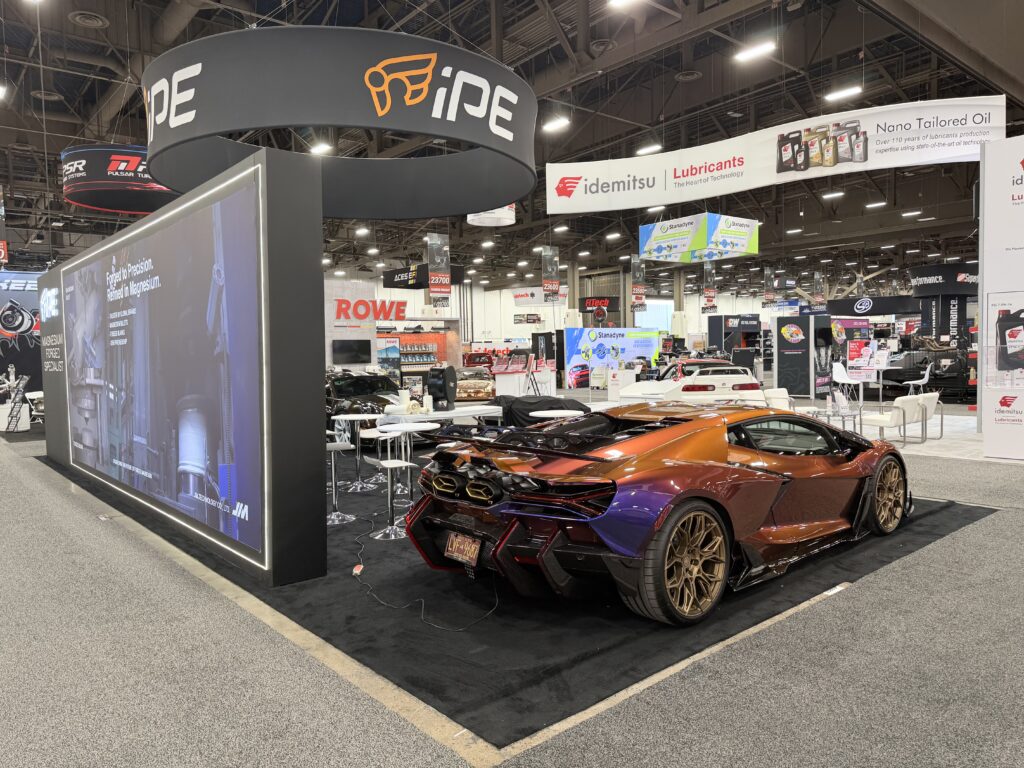
Your booth’s physical design either invites attendees in or pushes them away. Many exhibitors unknowingly create barriers that discourage engagement. Cluttered layouts, poor lighting, confusing messaging, staff clustering in corners, and “castle wall” structures that block sightlines all reduce traffic and damage lead generation.
Attendees decide within 15 seconds whether to approach a booth. If your design doesn’t instantly communicate who you are, what you offer, and why they should care, prospects walk past to your competitors. Even worse, poor design can make your brand appear unprofessional or outdated regardless of product quality.
How to avoid this mistake: Design your booth with traffic flow as a primary consideration. Create clear entry points that welcome attendees rather than defensive barriers. Ensure visitors can easily navigate your space without feeling trapped or unsure where to go.
Use strategic lighting to highlight key areas and create visual interest. Bright, well-lit booths naturally attract more attention than dim spaces. Consider incorporating LED video wall rentals to create dynamic focal points that draw eyes from across the show floor.
Keep messaging clear and concise. Attendees should understand your core value proposition within three seconds of glancing at your booth. Avoid walls of text, industry jargon, or complex explanations. Use bold headlines, strong visuals, and minimal copy.
Ensure your booth flooring meets the aisle carpeting with no gaps. Even small moats or barriers subconsciously signal to attendees that they need to cross an obstacle to enter your space. Make entry as seamless as possible.
Work with experienced booth designers who understand trade show dynamics. TrueBlue Exhibits specializes in creating custom trade show exhibits that balance visual appeal with functional traffic flow, ensuring your space both looks professional and performs strategically.
Even the most beautifully designed booth with premium location fails without properly trained staff. Yet remarkably, more than 50% of exhibitors rarely or never conduct booth staff training before shows. They send team members onto the floor assuming product knowledge alone qualifies them to engage hundreds of prospects effectively.
The result? Staff members cluster together chatting, scroll phones during slow periods, fail to engage passersby, deliver inconsistent messaging, and fumble with lead capture technology. Research from CEIR shows that 80% of what attendees remember about a booth comes from their interaction with staff, not the physical space or graphics.
How to avoid this mistake: Invest in comprehensive staff training starting at least two weeks before your show. Cover booth etiquette, engagement techniques, qualification questions, technology operation, and role assignments. We detailed the complete training process in our recent article on preparing staff for high-traffic trade show booths.
Select staff based on personality and communication skills, not just seniority or product expertise. Outgoing, energetic team members who genuinely enjoy meeting new people outperform introverted experts who’d rather hide behind their laptops. Product knowledge can be taught; authentic enthusiasm for engaging attendees is harder to develop.
Establish clear role assignments so every team member knows their specific responsibilities. Designate greeters, product demonstrators, lead qualifiers, and a booth captain to coordinate operations. Role clarity prevents confusion, overlapping efforts, and gaps in coverage.
Run practice sessions with role-playing exercises. Have team members practice greeting prospects, delivering your elevator pitch, handling objections, and operating lead capture technology. Record these sessions so staff can see themselves from an attendee’s perspective.
This might be the most heartbreaking mistake exhibitors make. You invest $50,000 in booth space, design, travel, and staffing. Your team works hard at the show and collects 200 qualified leads. Then you return to the office and…nothing happens. Leads sit in a database uncontacted while prospects forget about you and move on to competitors.
Industry research reveals that an astounding 81% of trade show leads never receive any follow-up. Studies show that field sales teams who master post-show follow-up see 60% higher conversion rates than those who delay outreach. When you wait weeks to contact hot leads, any interest they had evaporates completely.
How to avoid this mistake: Develop your follow-up strategy before the show, not after. Define who contacts which leads, when initial outreach occurs, and what messaging you’ll use. Divide leads by priority level, geography, product interest, or position in the sales funnel so you can customize your approach.
For hot leads who expressed immediate buying interest, follow up within 24-48 hours while the show remains fresh in their memory. Send personalized emails referencing specific conversations, pain points discussed, or demonstrations they viewed. This personalized touch dramatically outperforms generic “nice to meet you” templates.
Medium-priority leads should receive contact within three to five business days. Share relevant resources, case studies, or additional product information based on topics discussed at the booth.
Even lower-priority contacts deserve acknowledgment within two weeks. A brief email thanking them for visiting, providing helpful resources, and leaving the door open for future conversations maintains goodwill and keeps your brand visible.
Use your CRM to tag all trade show leads with the event name, date, and any specific notes about the conversation. This context helps sales teams personalize follow-up and prevents multiple people from contacting the same prospect.
Consider automated email sequences for different lead categories, but ensure they feel personalized rather than robotic. Reference specific booth interactions, include photos from your display, or mention show specials you discussed.
After investing tens of thousands of dollars in a trade show, you’d think every exhibitor would meticulously analyze results to determine what worked, what didn’t, and how to improve. Instead, many companies return from shows with vague feelings about “how things went” but no concrete data to justify the investment or guide future decisions.
Without measuring return on investment (ROI) or return on objectives (ROO), you can’t prove value to management, optimize your trade show strategy, or make informed decisions about which shows deserve future investment.
How to avoid this mistake: Establish your measurement framework before the show based on the goals you set. Identify the key performance indicators (KPIs) you’ll track, such as number of qualified leads, sales closed, meetings scheduled, pipeline created, social media engagement, or brand awareness metrics.
For ROI calculation, total all costs associated with the show including booth rental, design, shipping, drayage, travel, accommodations, staff time, promotional materials, and any other expenses. Then calculate revenue generated, which might include direct sales at the show, post-show sales from trade show leads, and pipeline value created.
The basic ROI formula is: (Revenue Generated – Total Costs) / Total Costs x 100 = ROI%
For example, if you spent $45,000 and generated $180,000 in sales from trade show leads, your ROI is 300%.
Remember that trade show ROI often extends beyond immediate sales. Long sales cycles mean revenue might materialize months or even years after the event. Track leads through your CRM with trade show source tags so you can attribute revenue properly even when deals close long after the show.
For non-sales objectives like brand awareness or product launches, measure ROO through metrics like booth traffic, social media mentions, press coverage, attendee surveys, or partnership discussions initiated.
Conduct a post-show debrief with your entire team. What worked well? What disappointed? What unexpected challenges arose? What opportunities did you miss? Document these insights while memories remain fresh.
Compare performance across multiple shows to identify which events deliver the best results for your company. This data helps you make smart decisions about which shows to attend in the future and which to drop from your schedule.
Trade show success requires months of preparation, yet many exhibitors procrastinate until weeks or even days before the show. Last-minute planning creates cascading problems. Booth space selections shrink to whatever’s available. Design options narrow. Shipping costs skyrocket. Staff training gets rushed or skipped. Marketing efforts launch too late to generate pre-scheduled meetings.
The stress and compromises that come from cramming months of work into weeks almost always damage results. Rushed decisions made under pressure rarely represent your best strategic thinking.
How to avoid this mistake: Begin planning at least three to four months before major shows, six months for particularly important events. Create a detailed timeline with specific deadlines for each task: booth space selection, design approval, graphic creation, promotional material production, staff selection, training sessions, pre-show marketing launch, shipping arrangements, and technology setup.
Work backward from show dates to establish realistic deadlines. If graphics require three weeks for production and another week for shipping, you need final design approval at least four weeks before the show. If your team needs two training sessions, schedule the first one at least three weeks out to allow time for adjustments based on feedback.
TrueBlue Exhibits provides comprehensive project management through our trade show project supervision services, ensuring all elements come together on schedule without last-minute panic.
Early planning also unlocks cost savings. Early bird booth space discounts, advance shipping rates, and promotional material production times all favor exhibitors who plan ahead. Procrastination literally costs money.
Trade show logistics involve countless details that can derail your entire effort if mismanaged. Shipping deadlines, drayage fees, electrical requirements, internet connections, furniture rental, carpet installation, union labor rules, setup windows, teardown schedules, and storage arrangements all demand attention.
Exhibitors unfamiliar with show logistics frequently miss critical deadlines, incur unnecessary fees, or arrive at the show floor to discover their booth is incomplete or incorrectly configured.
How to avoid this mistake: Read the exhibitor services manual thoroughly as soon as you receive it. These manuals contain essential information about deadlines, requirements, costs, and procedures. Mark every deadline in your calendar with buffer time before the official cutoff.
Understand drayage (material handling) costs and how they’re calculated. Charges typically depend on weight and whether materials arrive during standard or overtime periods. Optimize shipping to minimize costs through proper crating and strategic timing.
For shows in union labor markets like Las Vegas, Chicago, or New York, familiarize yourself with union rules about what exhibitors can do themselves versus what requires professional labor. Our Las Vegas exhibit rental services include expertise navigating local union requirements.
Verify electrical, internet, and other utility needs well in advance. Last-minute orders often carry premium charges that can double or triple costs. Confirm your requirements, submit orders early, and bring backup plans for critical technology.
Create detailed setup and teardown schedules. Know exactly when your team can access the booth, how long installation should take, and when everything must be dismantled. Build buffer time into these schedules because delays happen regularly on busy show floors.
Consider working with experienced exhibit companies like TrueBlue Exhibits that handle logistics as part of comprehensive exhibit transportation services. Professional management of shipping, drayage, setup, and teardown eliminates headaches and ensures smooth execution.
Not every booth visitor represents the same value to your business. Some are ready to buy immediately. Others are early researchers who won’t purchase for months or years. Some lack budget or authority to make decisions. Others are students, job seekers, or competitors gathering intelligence.
Many exhibitors treat all leads identically, wasting equal time and resources on prospects with vastly different value and readiness. This approach burns through staff time during the show and creates massive follow-up inefficiencies afterward.
How to avoid this mistake: Train your booth staff to quickly qualify prospects through strategic questions. Determine budget, authority, need, and timeline (BANT) within the first few minutes of conversation. Ask questions like: “What challenges are you currently facing in this area?” “What’s your timeline for addressing this?” “Who else is involved in this decision?” “What budget have you allocated for this solution?”
Use a tiered lead classification system. Hot leads (A-level) have immediate needs, confirmed budgets, and decision-making authority. Warm leads (B-level) have genuine interest but longer timelines or need to convince others. Cool leads (C-level) are gathering information with no immediate plans to purchase.
Tag leads appropriately in your capture system so sales teams know how to prioritize follow-up. A-level leads deserve immediate personal outreach. B-level leads benefit from nurture sequences with valuable content. C-level leads can receive periodic check-ins to stay on their radar.
Don’t dismiss lower-priority leads entirely. Today’s student might be tomorrow’s director with purchasing authority. Today’s researcher in early stages might represent a major opportunity six months from now. Respectful, helpful interactions with all visitors protect your reputation and plant seeds for future business.
Over our years serving exhibitors across the United States, we’ve seen how small mistakes compound into major problems while smart planning multiplies success. The exhibitors who consistently generate outstanding ROI share common traits: they research shows carefully, set clear goals, plan early, invest in professional booth design, train their teams thoroughly, execute strategic marketing, and meticulously measure results.
These principles apply whether you’re managing a 30′ x 30′ island booth at a major convention or a compact 10′ x 20′ display at a regional show. Success comes from avoiding preventable mistakes and executing fundamentals consistently.
TrueBlue Exhibits specializes in helping clients navigate trade show complexities through comprehensive support that addresses every aspect of exhibition success. From initial booth design that balances aesthetics with strategic traffic flow to complete turnkey services that handle logistics, setup, and teardown, we eliminate the common pitfalls that derail exhibitors.
The mistakes outlined in this guide cost exhibitors millions of dollars annually in wasted spending and lost opportunities. The solutions require planning, strategic thinking, and often professional guidance, but the payoff justifies the effort many times over.
Before your next show, audit your plans against these common mistakes. Are you exhibiting at the right show for your audience? Have you set specific, measurable goals? Did you allocate sufficient budget for all expenses? Is your booth design welcoming and strategically sound? Have you trained your staff comprehensively? Does your follow-up process ensure no leads fall through the cracks?
Address these questions honestly and adjust your approach accordingly. The difference between mediocre and exceptional trade show performance often comes down to avoiding these fundamental errors.
TrueBlue Exhibits has helped hundreds of companies transform their trade show results through professional booth design, strategic planning, and comprehensive support services. Based in Las Vegas and serving exhibitors nationwide, we understand the unique challenges different markets present and how to overcome them.
Whether you need a stunning custom exhibit, professional booth design services, or complete project management from concept through teardown, we bring expertise that helps you avoid costly mistakes and maximize every trade show investment.
Contact TrueBlue Exhibits today to discuss how we can help you avoid these common exhibitor mistakes and create a trade show program that consistently delivers exceptional results. Let’s turn your next exhibition into a lead-generating success story.
 We Do It Right, The First Time and Every Time
 3D Booth Rendering
 Always Go
 Win-Win Happy
 Everything
  Committed
  Customer
 Clockwork